
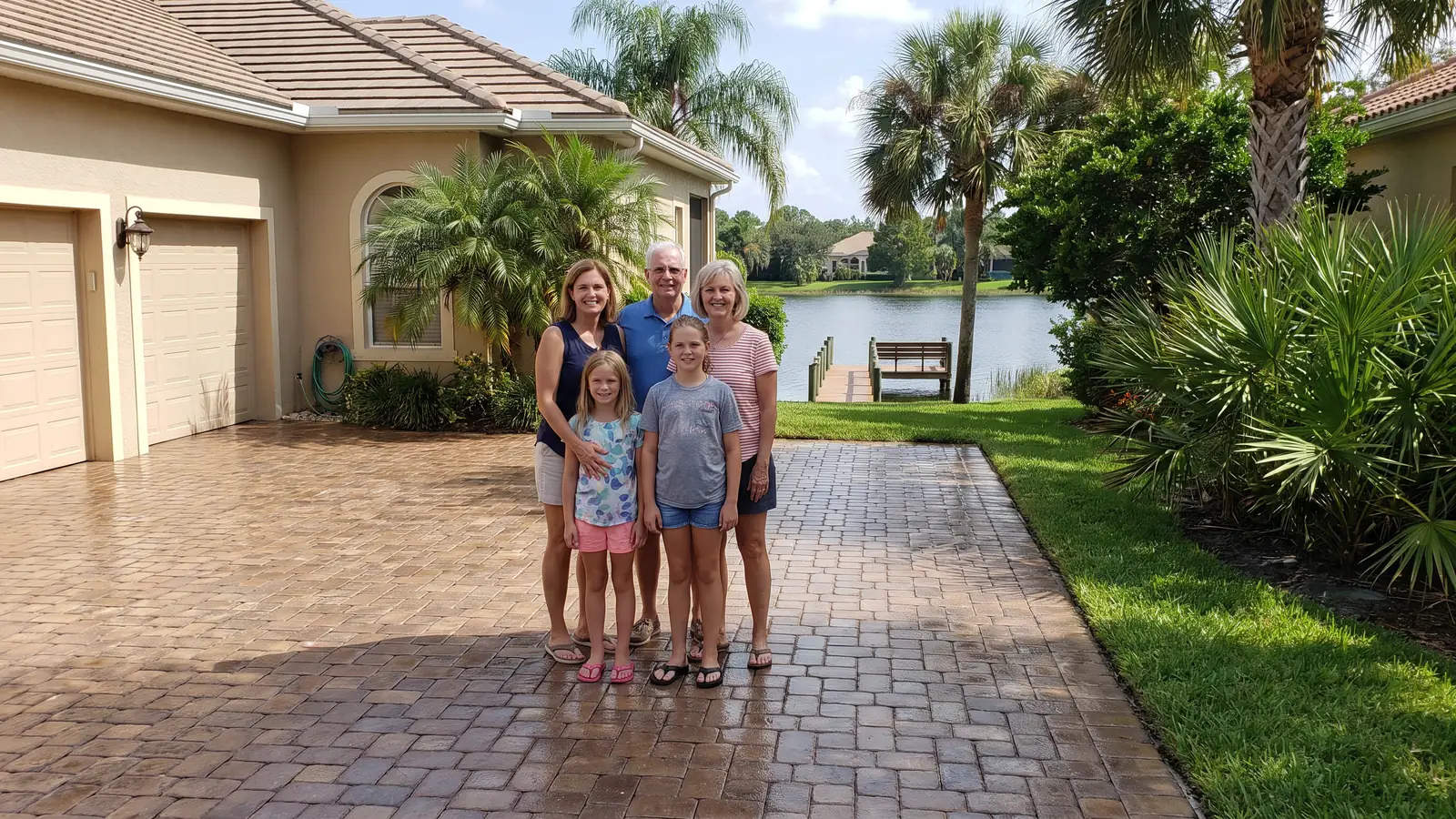
Paver sealing for Middleburg homes
Paver Sealing in Middleburg, FL
Middleburg's long drives and sandy lots need a paver plan to match, so call (904) 606-1548 for a free estimate.
- Brings out deeper paver color
- Fresh joint sand helps lock pavers in place
- Gives weeds less room to grow
- Makes the surface easier to keep clean
- Free estimate, no obligation
Request a Free Estimate
Free, no obligation.
Fast, careful paver sealing in Middleburg
Paver sealing in Middleburg comes with a free estimate, and a local contractor handles the wash, the sand and the sealer on long drives and small walks alike. Once you send a request, expect a reply within 1 business day, usually much sooner. To begin, get a free estimate.
Picture a long drive with weeds in every seam, a rust streak near the garage and a color that has faded to chalk. One good wash, new sand and an even coat make the whole run look like one piece again. Call (904) 606-1548 and tell the contractor how long your drive is.
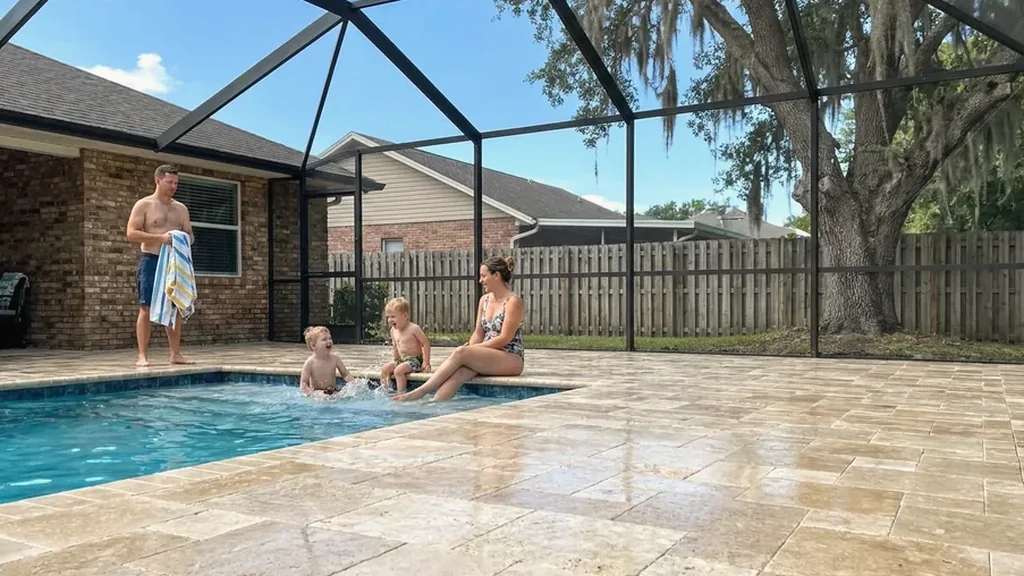
Why hire a local paver sealing contractor in Middleburg?
Middleburg lots tend to be bigger than in nearby Orange Park or Fleming Island, so a paver job here often means more square feet and more ground to cover. A local contractor can size that up fast, so get a free estimate and describe your lot.
Free estimate first
The contractor walks your Middleburg pavers and writes down a price. Nothing is booked until you say yes.
Price range on the table
Check any Middleburg quote against the $1.75 to $3.25 per square foot that companies commonly publish for this work.
Big lots, measured fairly
Long drives and wide aprons are measured by the foot, and larger jobs can cost less per square foot than small ones.
A quick reply
A short wait: replies come within 1 business day, often much sooner, and the date and finish are yours to choose.
Get Your Free Estimate in Middleburg
Tell us about your pavers in Middleburg.
Free, no obligation
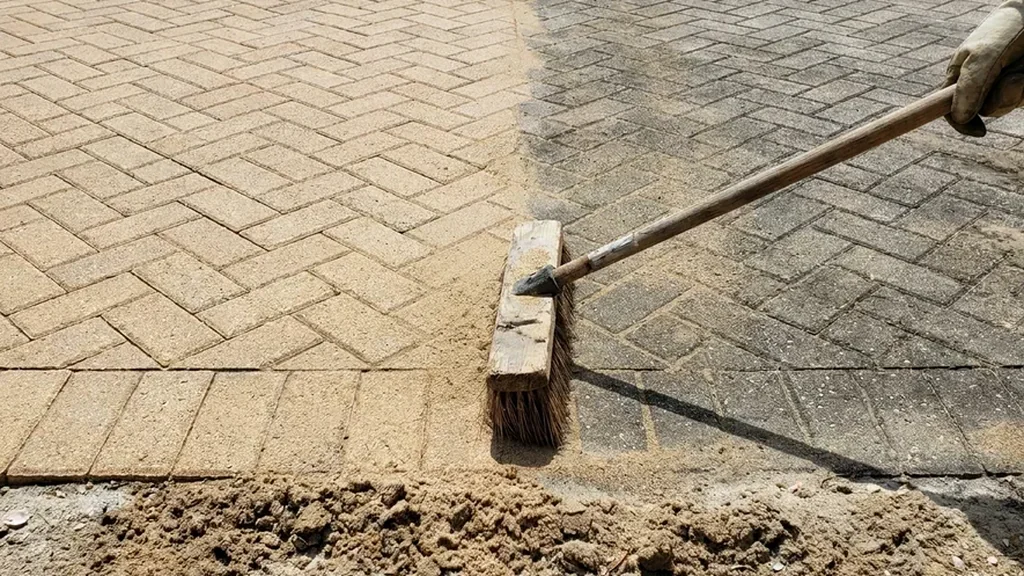
What paver problems show up most in Middleburg?
Silt and damp near Black Creek
After Hurricane Irma in 2017, Black Creek crested at 28.5 feet, above the old record of just over 24 feet from 1923. About 1,200 homes sat in the flooded area. Pavers that took creek water can carry a gray film and lost sand. Sealer would hold that film in place, so the wash comes first and the joints are checked next. If your property took water that year, tell the contractor at the first visit, because it changes how much washing and repair come first.
Sandy ground that gives up joint sand
A Clay County horticulture agent describes local sites as generally sandy, dry and low in organic matter. Add Jacksonville's 53 inches of yearly rain, with the biggest gains in summer, and joint sand has plenty of chances to wash out. Open joints widen and let weeds in. A contractor refills them with fresh sand before sealing. Sand that is packed in tight and swept clean stays in place much longer than sand that was only dusted over the top.
Orange streaks from an irrigation well
A local real estate guide says some Middleburg homes sit on larger lots with well and septic. University of Florida experts say most Florida well water is high in iron, and irrigating with it can leave orange stains. Look for rust-colored lines where sprinklers hit the pavers. A paver company warns rust and irrigation marks can remain visible after treatment, so they are best dealt with early. It also pays to look at the garage apron, where the spray tends to overlap.
Old coats and brand-new pavers
Middleburg grew from 6,223 people in 1990 to 12,881 in 2020, so it has both aging and brand-new pavers. In Quails Hollar, homes were built between 1987 and 2003. A St. Augustine company says new pavers should wait about 60 to 90 days before sealing. Older ones may hide an unknown coat, and water-based sealer cannot go over solvent-based sealer. A contractor can look at yours and tell you which case you have.
Green film where the woods come close
Jennings Forest, a wildlife area of nearly 24,000 acres near Middleburg, shows how wooded this part of Clay County is, with sandhill, flatwoods and seepage slopes. A lot that backs onto that kind of cover gets shade and damp. Algae thrives on pavers that stay wet. The film washes off, and sealer helps keep it from taking hold again. Side walks and the north side of a lanai tend to show it first.
Does it matter whether I live on Blanding, near Black Creek or out on acreage?
It does, because the three kinds of Middleburg lot ask for different things. Blanding Boulevard, County Road 218 and Tynes Boulevard have newer subdivisions such as Corsair, Foxmeadow, GreyHawk and The Ravines. Near Black Creek, the old historic district sits close to the flood zone, and acreage tracts fill the western and southern edges. Mention if you are on Blanding, near the creek or on acreage when you get a free estimate.
Newer subdivisions often mean newer pavers. A homeowners association may also have rules, and Florida law limits its review of appearance changes to what its declaration or guidelines say. Check them, then call (904) 606-1548 and ask for a natural finish if your community wants no change in look.
Acreage and creekside lots are a different job. Long drives are common, gear may need to cross soft ground, and a well can mean rust marks along the edges. Larger jobs spread setup time across more surface, so they often cost less per foot. Share your drive length and where the water comes from when you get a free estimate.
What does paver sealing cost in Middleburg?
Prices companies publish for this region run $1.75 to $3.25 per square foot to clean, sand and seal pavers. A Jacksonville company notes that larger jobs cost less per square foot because setup time is spread over more surface. A long Middleburg drive may land lower in the range than a small walk. To see where your lot falls, get a free estimate.
What pushes the price up is prep. Rust marks, creek silt, missing sand and an unknown old coat all add hours. Tight side yards, gates and landscaping near the pavers add prep too. Call (904) 606-1548, and the contractor can sort out which of these fit your lot before any date is picked.
| Paved area | Typical example | Clean, sand and seal |
|---|---|---|
| 300 sq ft | Small patio or walkway | $525 to $975 |
| 600 sq ft | Two car driveway | $1,050 to $1,950 |
| 1,000 sq ft | Large driveway or pool deck | $1,750 to $3,250 |
| 1,500 sq ft | Driveway plus pool deck | $2,625 to $4,875 |
Math based on the $1.75 to $3.25 per square foot that Northeast Florida paver companies publish. Your contractor sets the actual price after seeing the surface. Repairs, leveling and stripping failed sealer are usually extra.
How does a paver sealing job work in Middleburg?
Measure the drive and read the surface
The contractor walks the whole run and writes down the square footage. Low spots, lifted pavers and old coats get noted. A sunken section is reset first, since sealing only preserves it. On a long Middleburg drive, that walk-through can take longer than you expect. Ask the contractor to note gates, pets and a good place to park equipment. On a long run, the contractor may mark it in sections so the quote shows each stretch.
Wash off silt, rust and green film
Cleaning clears creek silt, algae and oil. A company warns that rust and irrigation marks may stay faintly visible even after treatment. The goal is clean pavers with no film under the sealer. Wooded edges and damp corners get extra time. Rinse water is kept off plants and siding where it can be. Ask the contractor how stains that remain will be handled.
Refill the joints on sandy ground
Fresh sand goes into the joints after the wash. On the sandy soil common in Clay County, open joints let weeds start and let water in. Once the joints are full, the whole drive gets swept clean. Edges that have loosened are tightened before the next step. This is the step most often rushed on a big job, so ask how the joints will be checked. Full joints also give the sealer something to bond with.
Give the pavers a full day to dry
One manufacturer bulletin says most of its sealers need the surface to dry 24 hours after cleaning or rain. Middleburg's summer storms can undo a dry spell fast. A careful contractor waits instead of trapping moisture. Turn off irrigation for the job, since sprinklers can soak the edges. If rain is close, the date simply moves. Ground near the creek is the first place to check, since low spots dry last.
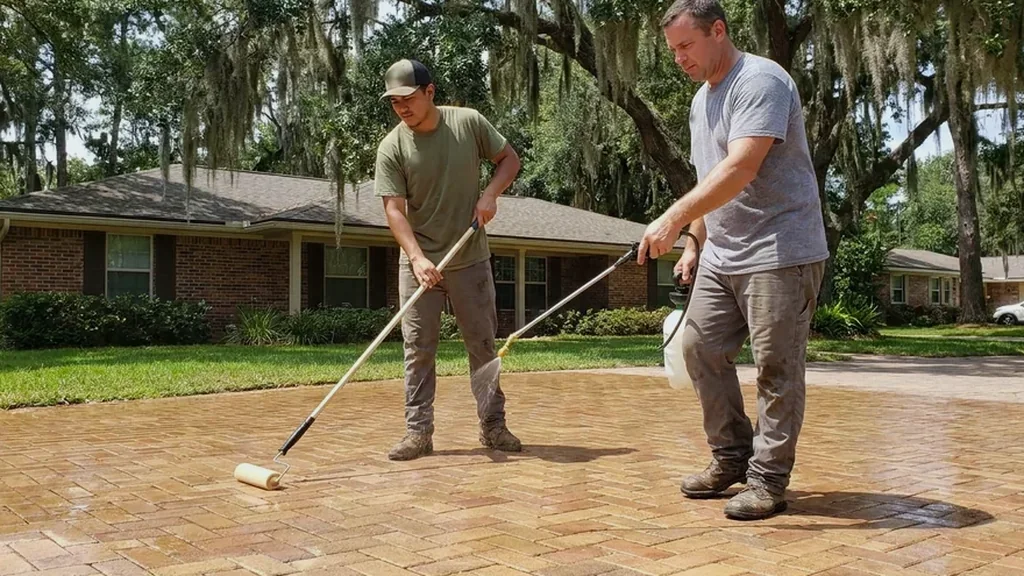
Seal in the finish you picked
The contractor sprays the sealer and back-rolls it, the usual method, so it reaches the joints. A small test area is a good idea. Matte keeps a natural look, while a wet look deepens color and shows scuffs sooner. Many quotes put the time between coats at two to five years. Wait for the contractor's word before you drive or walk on it.
Complete paver services in Middleburg
On a Middleburg lot the work goes wash, refill, dry, seal, in that order. Sealer applied too early would trap dirt under the coat. A day or two covers most jobs, though a long drive adds hours, and wet ground can add more. To see how your lot would be scheduled, call (904) 606-1548.
Long driveways are common here, and some homes add a front walk, lanai or pool deck. Each paved piece gets its own measurement, so the quote matches the real area. Wooded edges grow green film, and low corners hold water, so list both, and any rust marks, when you get a free estimate.
You choose between water-based and solvent-based sealer, then between matte and wet look. A past coat can settle the first choice, because water-based sealer cannot go over solvent-based. Matte keeps a natural look across a long drive, while a wet look adds shine and shows scuffs sooner. For a talk about your home, call (904) 606-1548.
Weather and the creek set the calendar in Middleburg. A summer storm can push a job back, and ground near Black Creek stays wet longer after heavy rain. Brand-new pavers must wait weeks for a first coat, so a new home may need to hold off. To lock in a date, get a free estimate.
Questions to ask before you hire
- How soon can I park a car on the finished driveway?
- What do I do if the sealer looks blotchy a week later?
- Is the sealer a wet look or a natural finish, and can I see a sample?
- What do you do about the green algae on the shaded side of my pool cage?
- Do you fix a few sunken or loose pavers before sealing, and is that extra?
- Will you test a small spot of my pavers before you pick a sealer?
- Will you re-sand the joints after washing, and with what kind of sand?
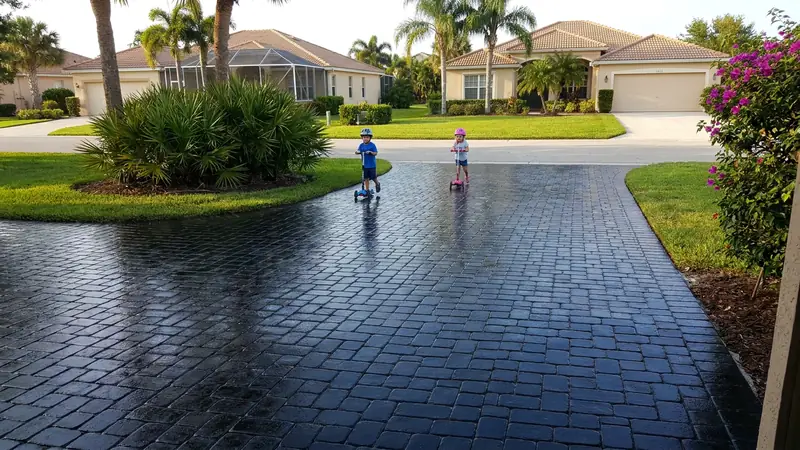
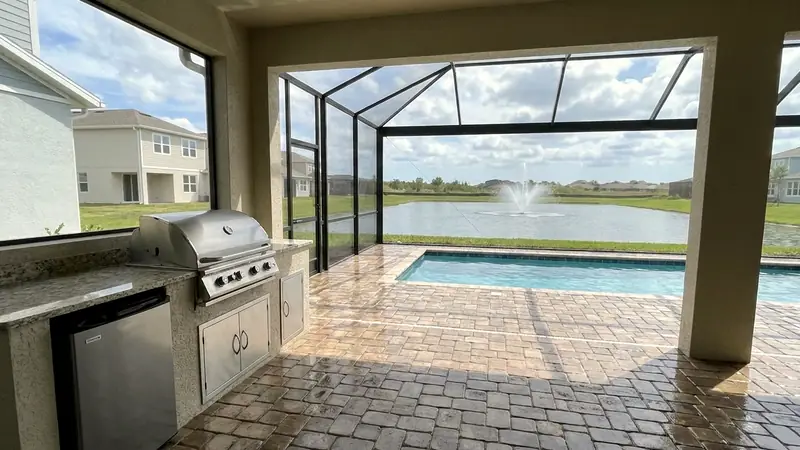
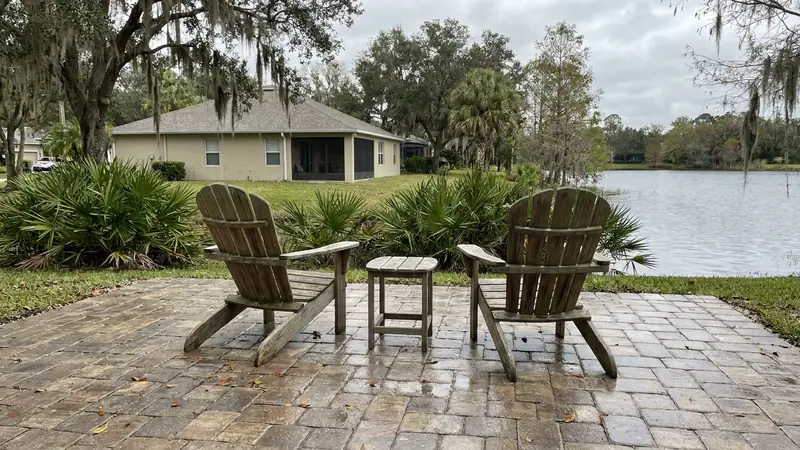
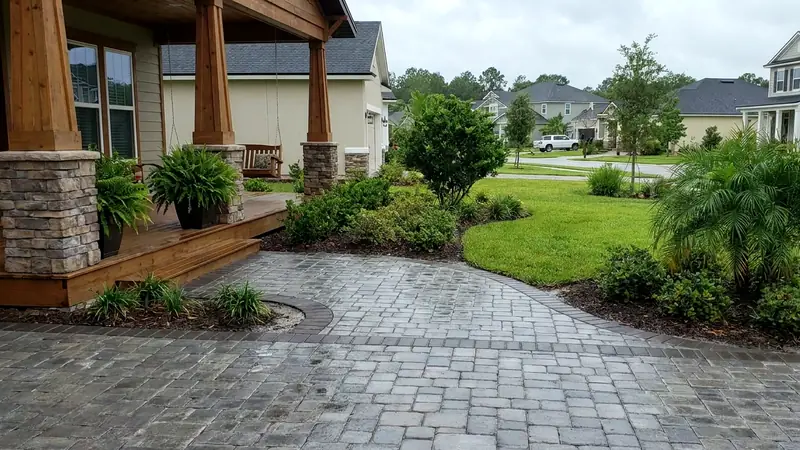
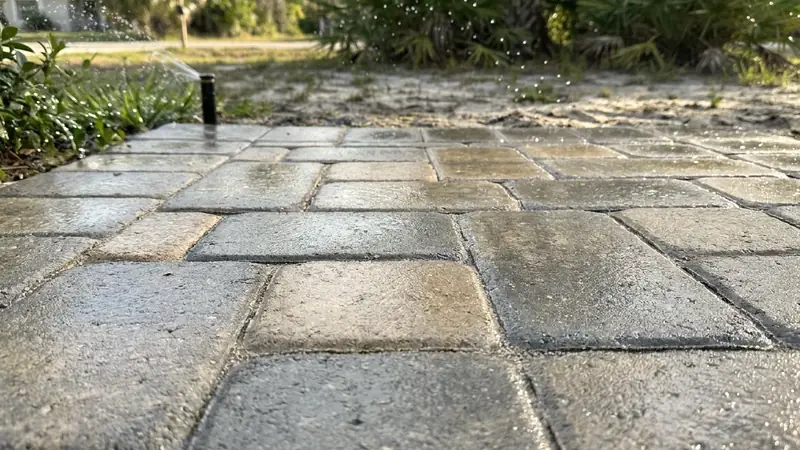
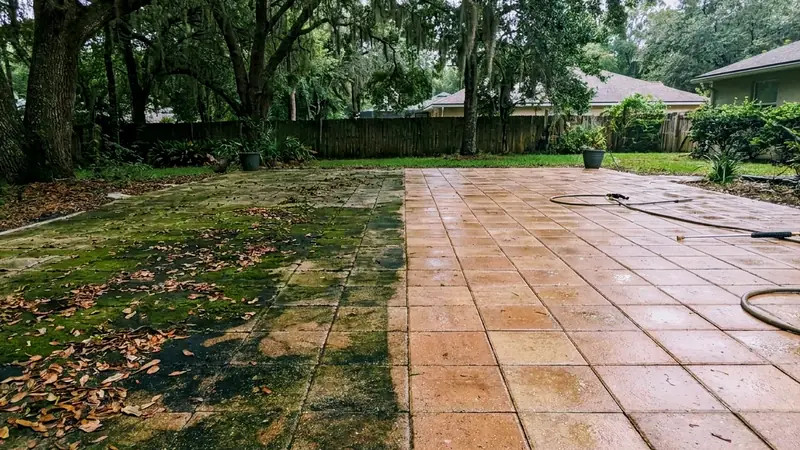
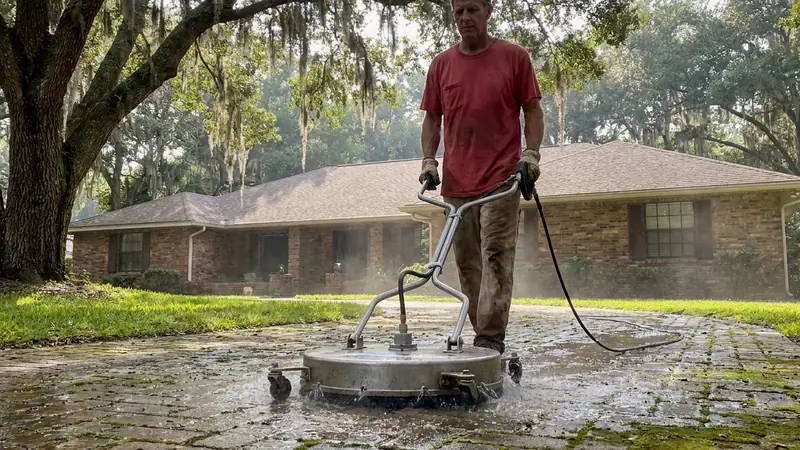
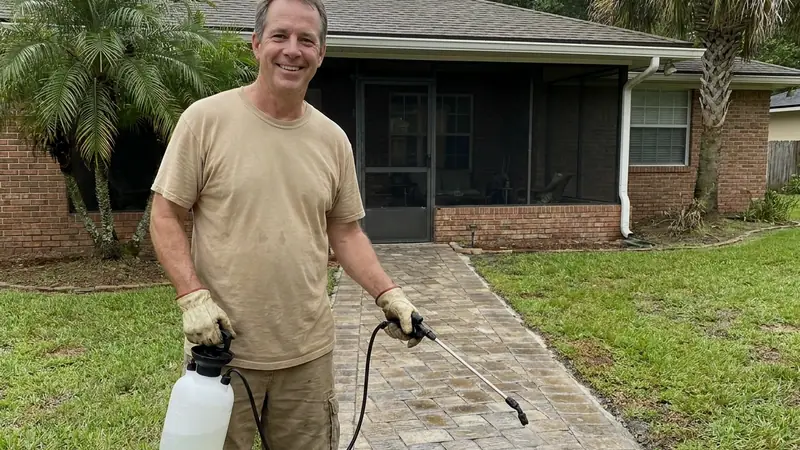
What do sealed pavers look like around Middleburg?
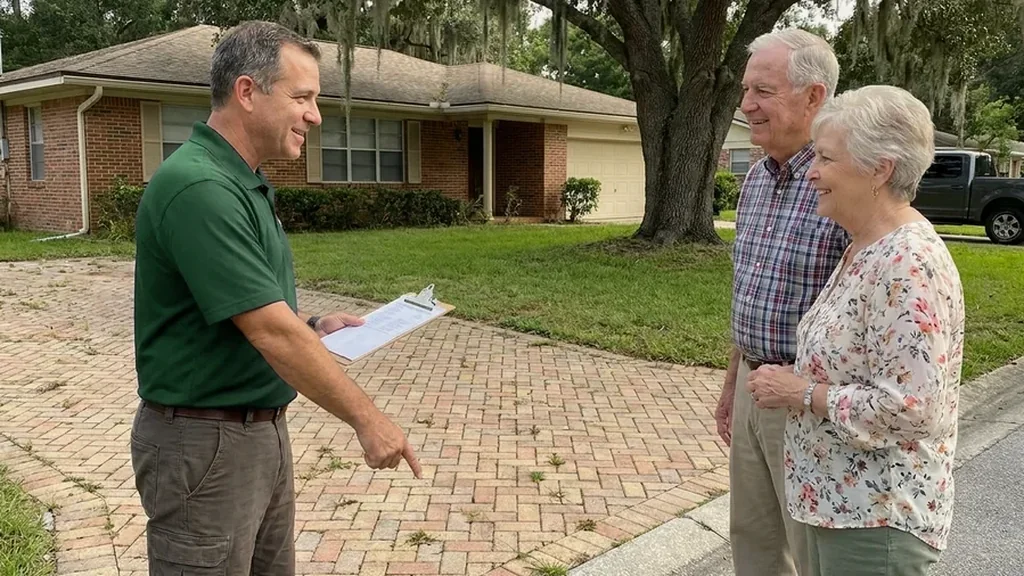
Why local matters in Middleburg
Someone who works Middleburg knows the difference between a Blanding Boulevard subdivision and a creekside lot on well water. That means fewer surprises on the day and a better guess at the price. Ask about rust marks and old coats first. To talk with someone who works Clay County lots like yours, call (904) 606-1548.
Local experience helps with water. Black Creek rose to 28.5 feet after Irma, and a Black Creek resident lost a well pump even though water stayed out of the living space. A contractor who knows those stories asks about past flooding and checks sand loss at the low end of the drive. If your lot has taken water, get a free estimate and say so.
Distance matters too. Middleburg sits 26 miles from downtown Jacksonville, and the First Coast Expressway and Blanding Boulevard are the main ways in. A contractor who already works nearby can plan loads and trips without a long drive each way. You can get a free estimate to ask what the schedule would look like for your street.
Is Middleburg's old Main Street history worth mentioning to a contractor?
Yes, if you live close to the historic district, since it tells the contractor how old your street may be. The district covers 60 acres near Black Creek, with Main Street, Palmetto Street and Wharf Street, and joined the National Register in 1990. Main Street holds the Clark-Chalker House, which was built in 1835. If you are near it, get a free estimate and say which street you are on.
The town grew where a military road crossed the creek, first as Clark's Ferry and then Garey's Ferry. Middleburgh was the county seat from 1858 to 1874, and Union cavalry burned downtown in 1864. Black Creek Methodist Church was founded in 1828, and Jennings State Forest now sits along the North Fork. For a free estimate near any of these places, call (904) 606-1548.
Frequently Asked Questions
Does sealing pavers pay off in Middleburg, Florida?
For most Middleburg homes it does. The sandy Clay County soil loses joint sand fast, and sealer helps hold what is there. It will not lift a sunken paver, so resets come first. Have the contractor walk your drive before you decide.
What is the average cost to seal pavers in Middleburg?
Companies around here commonly publish $1.75 to $3.25 per square foot for the wash, sand and sealer. Large Middleburg drives can land lower in that range, since setup time is spread over more area. The quote should list the area that was measured, in square feet.
Why is paver sealing so expensive?
Most of what you pay covers labor and prep, with the sealer a smaller part. A wash, fresh sand and a full dry come before any coat, and a long Middleburg drive with rust marks or creek silt takes more hours. Compare bids on price per foot, not the total alone.
How long do paver sealers last in Middleburg?
Quotes for the span between coats run from two to five years. Full sun, tires on a long drive and wet ground near the creek push toward the short end. Water that beads up on the surface tells you the coat is working.
How much is sealant for pavers in Middleburg?
The sealant is only part of the price, which companies in this region commonly publish as $1.75 to $3.25 per square foot to clean, sand and seal. Ask the contractor to name the product and finish in the quote. Prep and sand make up much of the rest.
Can I seal new pavers in Middleburg right away?
Usually not. A St. Augustine paver company says new pavers should wait about 60 to 90 days before sealing. Middleburg has grown quickly since 1990, so many pavers are new. A contractor can look at yours and tell you when it is ready. Newer pavers can also show a white powder that must fade first.
Will a rust stain from my well come out before sealing?
Often, but not always. A paver company says rust and irrigation marks can remain visible after treatment. They are cleaned before sealing, since sealer would lock them in. Aiming sprinkler heads off the pavers keeps new marks from forming.
How long does paver sealing take in Middleburg?
Most jobs fill one to two days, according to a St. Augustine paver company, and a long drive can take longer. The pavers must be washed, refilled with sand and dry before sealing. A summer storm can add a day. Your contractor can give a plan after seeing the lot.
Does flooding from Black Creek change how my pavers are sealed?
Yes, because silt and lost sand have to be dealt with first. After Irma in 2017, the creek crested at 28.5 feet and about 1,200 homes sat in the flood area. A contractor will wash away the film, check the low end of the drive and refill the joints before any sealer goes on.
What does a wet look sealer do on a Middleburg driveway?
A wet look deepens the color of the pavers, while matte keeps a natural appearance, according to one Jacksonville company. The shine also shows scuffs sooner, which matters on a drive where trucks turn. Ask to see a sample patch before you choose.
What should I tell the contractor about my well?
Say whether your sprinklers run from a well and where the spray lands. Most Florida well water is high in iron, and irrigating with it can leave orange stains on pavers. Knowing that lets the contractor plan stain work before any sealer goes on.
Ready for a Free Estimate in Middleburg?
Call (904) 606-1548 and tell us about your pavers.
Free, no obligation